


Justice, Balance, and the Allocation of Public Resources
June 4, 2026 | by rodney
Share this content:
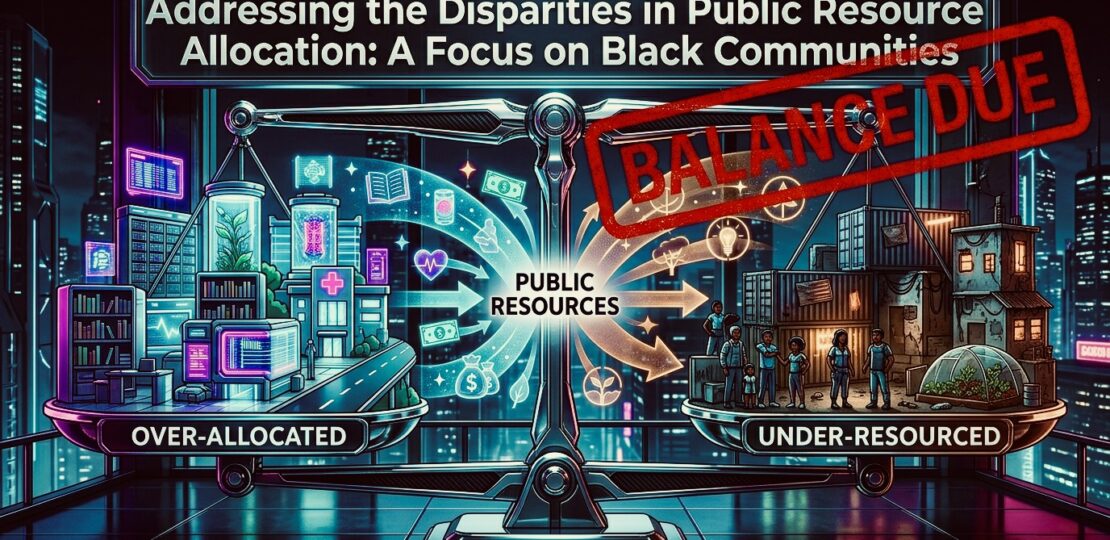
A society is measured not only by what it collects, but by what it returns in justice, dignity, and public good. Where communities contribute faithfully to the common treasury, yet are denied proportionate reinvestment, a grave imbalance is revealed. The record is clear: Black communities in particular, have long contributed significantly to the public tax base while receiving far less in return through public investment, infrastructure, education, and local services. This pattern is not accidental. It reflects structural policy choices, constrained access to capital, and the enduring legacy of segregation and disinvestment.
The Persistent Disparity in the Allocation of Funds
For too long, systems of taxation and public finance have favored affluent districts and historically advantaged populations, allowing wealth to compound where resources are already abundant. Meanwhile, communities that have contributed substantially have too often been denied fair reinvestment. This disparity has perpetuated unequal access to functioning schools, sound infrastructure, safe neighborhoods, and economic opportunity. Such a pattern is not merely inefficient; it is unjust. A government that permits this imbalance without correction undermines the very principles of fairness and stewardship it is called to uphold.
The Consequences of Historical and Ongoing Disinvestment
The consequences of this persistent neglect are profound. When public resources are withheld from communities over generations, the result is weakened institutions, reduced opportunity, economic instability, and intergenerational hardship. Disinvestment is not neutral in its effects. It deepens poverty, limits mobility, erodes public trust, and leaves entire neighborhoods bearing burdens they did not create. When groups are targeted, excluded, or treated as less worthy of public care because of race, class, or identity, the damage extends beyond budgets and policy; it reaches into the moral fabric of a nation.
A Direct Warning Against Injustice, and Discrimination
Let it be said plainly: injustice practiced consistently becomes corruption in public life. Discrimination tolerated in policy becomes cruelty in practice. Violence, exclusion, and oppression carried out against any people—whether by law, by custom, by rhetoric, or by neglect—bring ruin to institutions and judgment upon nations. Leaders who knowingly preserve inequity, individuals who profit from the suffering of others, and systems that target vulnerable communities for denial, deprivation, or harm do not act in strength, but in moral failure. No nation can remain secure while it builds prosperity for some on the deprivation of others. No leader can claim righteousness while governing without equity. No individual escapes responsibility when participating in injustice, whether by action, silence, or consent.
The Duty of Governments, Leaders, and Communities
The call before us is therefore both practical and moral. Tax codes, funding formulas, and public investment strategies must be examined and reformed where they perpetuate inequality. Resources must be directed toward historically underserved communities with seriousness, transparency, and long-term commitment. Representation in decision-making must include those most affected by systemic underinvestment. Justice requires more than acknowledgment; it requires repair. Balance requires more than language; it requires redistribution of opportunity, protection under law, and faithful stewardship of the public trust.
The Way Forward
The way forward is not hidden. It requires truth, courage, and action. It requires rejecting policies that reward concentration of advantage while neglecting longstanding harm. It requires sustained reinvestment in communities that have borne the weight of exclusion for generations. It requires that nations, leaders, and individuals understand that oppression is never a stable foundation for peace or prosperity. Where injustice is planted, social fracture will grow. Where equity is pursued, trust, stability, and shared flourishing may yet be restored.
Proverbs 14:31 (NIV)
“He who oppresses the poor shows contempt for their Maker.”
Direct Oppression of any group is treated as an offense directly against God Himself. ~Balance Due
RELATED POSTS
View all