


Embracing Balance: Grounding Techniques for Emotional Regulation
November 18, 2025 | by rodney
Share this content:
The Importance of Grounding in Emotional Wellness
Grounding techniques play a vital role in achieving emotional balance and well-being. By anchoring oneself to the present moment, individuals can effectively manage stress and navigate overwhelming emotions. Grounding serves as a foundational practice that assists individuals in reconnecting with their authentic selves, fostering a sense of stability amid life’s various challenges.
In a spiritual context, grounding can be viewed as a practice that nurtures one’s connection to the earth and the present. This connection encourages a calming presence, allowing individuals to cultivate mindfulness whilst navigating their daily experiences. Engaging in grounding practices, such as walking barefoot on natural surfaces or focusing on one’s breath, can significantly enhance one’s emotional regulation. These moments of reconnection help mitigate anxiety, transforming overwhelming feelings into manageable experiences.
Moreover, grounding promotes resilience. It serves as a protective mechanism against emotional turbulence, offering individuals a way to center themselves during distressing situations. By developing these skills, people can enhance their emotional literacy, recognizing and expressing their feelings more effectively. This process leads to healthier emotional responses and better decision-making in both personal and professional realms.
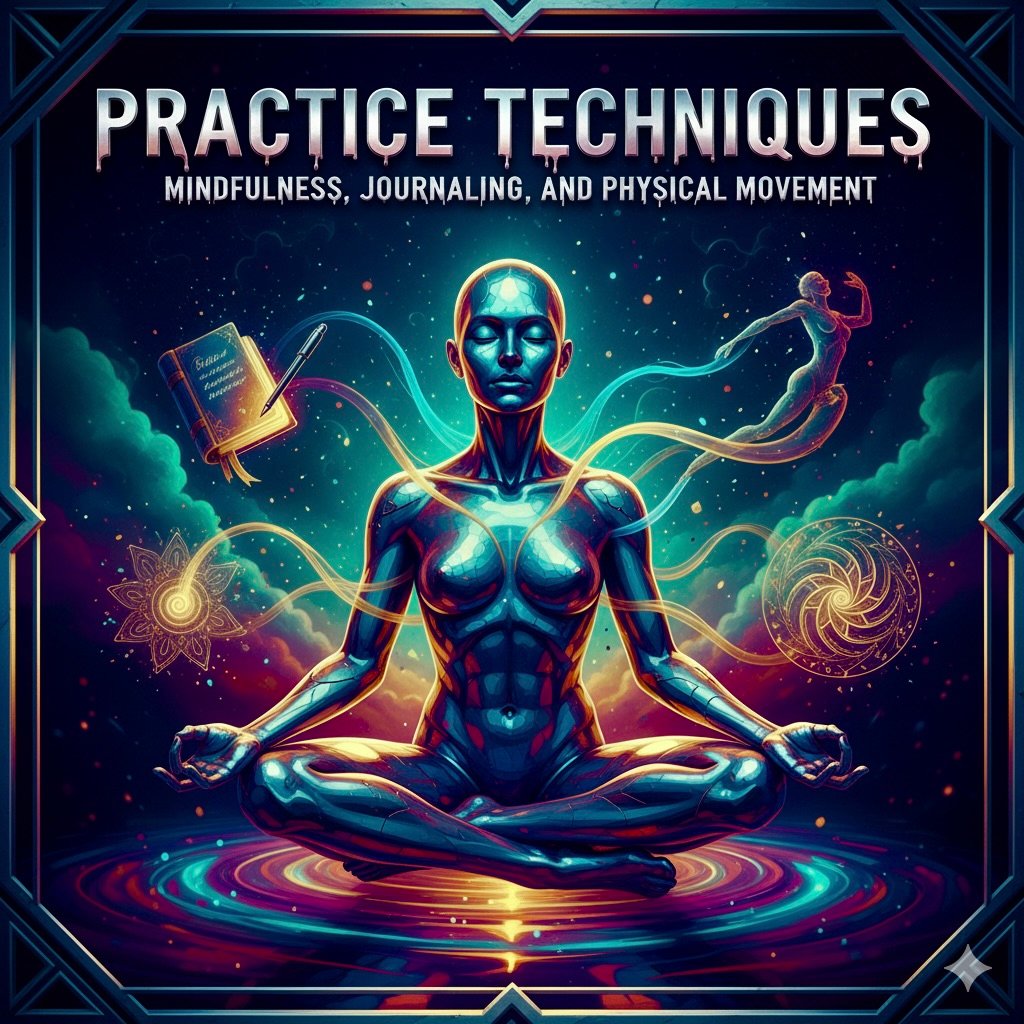
Incorporating grounding techniques into daily routines not only aids in stress management but fosters an overall sense of well-being. Whether it’s through practices like journaling or meditation, or simply taking time to appreciate the environment, these methods allow individuals to not only acknowledge their feelings but also release them. The conscious integration of grounding techniques into one’s life is essential in cultivating emotional stability and navigating the complexities of modern living.
Mindfulness: Cultivating Presence and Awareness
Mindfulness serves as a powerful grounding technique for promoting emotional regulation and enhancing overall well-being. At its core, mindfulness encourages individuals to concentrate on the present moment, fostering a heightened awareness of thoughts, emotions, and bodily sensations without unnecessary judgment. This practice not only mitigates stress but also cultivates a deeper understanding of oneself, paving the way for improved stress management.
To effectively incorporate mindfulness into daily routines, various practical exercises can be employed. One straightforward technique is to engage in mindful breathing, where individuals take a few moments to focus solely on their breath. By inhaling deeply and exhaling slowly, one can create a sense of calm and clarity, effectively anchoring themselves in the present. Another method involves mindful observation, which entails consciously noticing the surrounding environment — be it sounds, colors, or textures. This practice encourages individuals to step back and review their thoughts and feelings with a sense of detachment, reducing the intensity of negative emotional responses.
Furthermore, journaling can complement mindfulness efforts by serving as a reflective tool. By documenting thoughts and emotions, individuals can achieve greater clarity and insights. A consistent journaling practice enhances emotional awareness and bolsters mindfulness efforts, enabling individuals to observe patterns in their feelings over time. This synergy between mindfulness and journaling can lead to improved stress management while fostering a deeper connection with one’s spirituality.
Additionally, it is essential to recognize the spiritual benefits of mindfulness. By aligning oneself with principles of balance and harmony, individuals can cultivate an inner peace that transcends momentary stressors. Ultimately, embracing mindfulness creates a nurturing environment for emotional health, empowering individuals to navigate life’s challenges with greater resilience and awareness.
Journaling: A Sacred Space for Reflection and Release
Journaling has emerged as a valuable tool for individuals seeking to enhance their emotional regulation and overall well-being. By providing a private space to articulate thoughts and feelings, it fosters a meaningful connection between the writer and their inner self. This practice not only serves as an outlet for emotional expression but also promotes mindfulness, allowing individuals to reflect on their experiences and emotions deeply.
One of the most effective journaling techniques is gratitude journaling, where individuals dedicate time each day to note aspects of their lives for which they are thankful. This practice encourages a positive mindset and helps to shift focus away from stressors, ultimately fostering resilience in the face of adversity. Another technique, free writing, allows for unrestricted expression of thoughts and emotions without the constraints of grammar or structure. This unfiltered approach can unearth underlying feelings, offering insights that may not surface in everyday conversations.
Guided prompts serve as another valuable journaling technique. These prompts can encompass a range of themes, from personal challenges to aspirations. By addressing specific questions, individuals are encouraged to delve into their emotional landscapes, leading to greater self-awareness and understanding. Engaging with these prompts can also assist in identifying patterns related to one’s stress management and emotional responses.
To maximize the benefits of journaling, it is crucial to establish a safe and sacred space for the practice. This environment should encourage reflection and introspection, free from distractions. Incorporating elements of spirituality can further enhance this experience, transforming journaling from a mere writing exercise into a profound exploration of the self. Ultimately, journaling not only serves as a mechanism for emotional clarity but also cultivates a deeper connection to one’s inner world, enriching the practice of stress management.
Physical Movement: Grounding the Spirit in the Body
Physical movement serves as a crucial grounding practice for emotional regulation and overall well-being. Engaging in various forms of movement not only allows for the release of pent-up emotions but also fosters a deeper connection with our bodies. Activities such as yoga, dance, and mindful walking encourage individuals to experience their emotions and release stress, making them valuable tools for stress management.
Yoga is particularly effective for grounding the spirit within the body. Through mindful breathing and physical postures, practitioners can cultivate a heightened awareness of their body’s sensations, promoting relaxation and emotional release. The practice encourages alignment of the body and mind, providing an opportunity to reflect on personal experiences while enhancing spiritual connection. Regular yoga practice can instill a sense of calm and balance, which is essential in today’s hectic world.
Dance, on the other hand, offers an expressive outlet for emotions. It allows individuals to move freely, letting go of inhibitions and embracing the joy of physicality. Whether participating in structured classes or dancing at home, this form of movement enhances emotional regulation and stress relief by harnessing the energy within the body. The spiritual aspect of dance invites participants to connect with a deeper part of themselves, facilitating healing through self-expression.
Mindful walking is another accessible yet effective technique. By observing the rhythm of one’s breath and the sensations of each step, individuals can ground themselves in the present moment. This practice fosters mindfulness and encourages a connection with nature, contributing to enhanced emotional stability. By incorporating mindful walking into daily routines, one can cultivate a sense of peace and grounding, essential for effective stress management.
Incorporating these various forms of movement into one’s daily life can lead to profound benefits, including improved emotional regulation, spiritual awareness, and overall well-being. By recognizing the body as a vessel for healing, individuals can find joy and liberation in the act of movement, ultimately fostering a deeper sense of balance and connection. ~Balance Due
RELATED POSTS
View all