

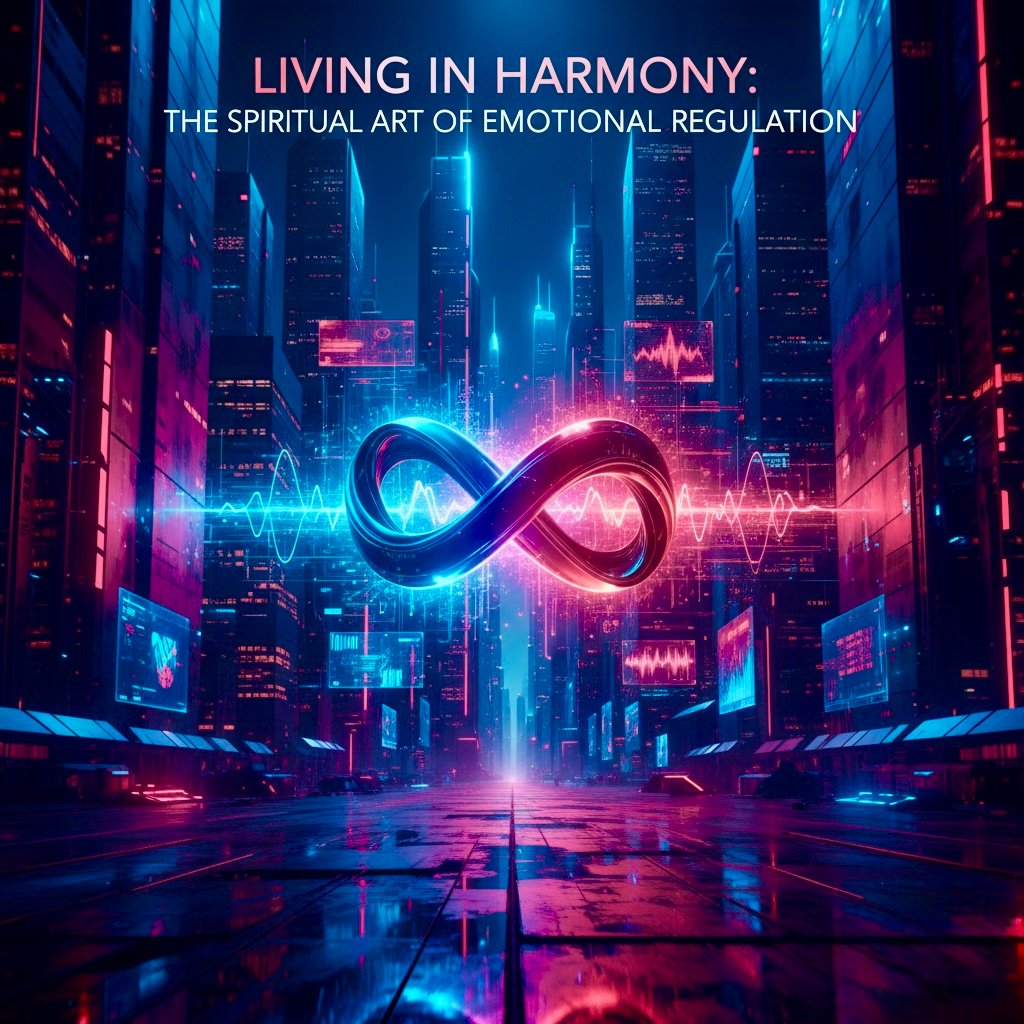
Living in Harmony: The Spiritual Art of Emotional Regulation
November 28, 2025 | by rodney
Share this content:
I invite you to the journey of emotional regulation, a never-ending practice essential for living harmoniously with ourselves and others. In a world brimming with responsibilities, relationships, and relentless change, emotional overwhelm can feel like a storm threatening to capsize our inner peace. Yet, with intention and wisdom, we can learn not only to weather these tides but to transform them into opportunities for growth and connection.
Recognizing the Waves
The first step in mastering emotional balance is recognizing what stirs the waters within. Whether it’s the pressures of work, the complexities of personal relationships, or the noise of external expectations, acknowledging our emotions is not a sign of weakness, it is a testament to our humanity. By naming our feelings and understanding their origins, we lay the foundation for true self-control.
Mindfulness: Anchoring in the Present
Mindfulness is the anchor that keeps us steady amidst emotional turbulence. By cultivating presence, through breath, meditation, or simply noticing the sensations in our body, we create space between stimulus and response. This space is sacred; it allows us to choose how we engage with our emotions, rather than being swept away by them. Mindfulness is not about escaping reality, but about meeting it with clarity and compassion.
Journaling: Charting the Course
Journaling is a vessel for self-reflection. When we write, we give form to our thoughts and feelings, uncovering patterns and triggers that might otherwise remain hidden. This practice is not reserved for poets or philosophers; it is a daily act of self-care. By setting aside time to journal, we lighten our emotional load and gain perspective, affirming our experiences and nurturing resilience.
Movement: Releasing the Storm
Physical movement is a powerful release for emotional energy. Whether through a brisk walk, a dance, or a yoga session, exercise floods our system with endorphins, the body’s natural mood lifters. Movement is not just about fitness; it is about honoring the connection between body and mind, and allowing ourselves to process emotions in a healthy, embodied way.
Integrating Practices: The Symphony of Balance
True emotional regulation is not found in a single technique, but in the harmonious integration of mindfulness, journaling, and movement. Start small, choose one practice and weave it into your daily routine. As you grow more comfortable, add others, creating a symphony of self-care that addresses both mind and body. Over time, you will build resilience, cultivating a landscape where emotional overwhelm is met with grace and wisdom.
The Spiritual Dimension: Fruits of the Spirit
As we conclude, let us reflect on the wisdom of Galatians 5:22-23:
“But the fruit of the Spirit is love, joy, peace, forbearance, kindness, goodness, faithfulness, gentleness and self-control.”
Self-control is not merely a personal achievement, it is a spiritual fruit, essential for living in harmony with others. When we regulate our emotions, we embody the Spirit’s gifts, fostering love, peace, and gentleness in our relationships. Emotional regulation is not about repression, but about constructive engagement, embracing our feelings and channeling them toward goodness and connection.
Final Blessing
May you walk the path of balance, guided by mindfulness, reflection, and movement. As you cultivate self-control, may you experience the fullness of the Spirit, love, joy, and peace, radiating from within and blessing all those around you. ~Balance Due
RELATED POSTS
View all


Martin Luther King Jr’s Ultimate Sacrifice
January 19, 2026 | by rodney

Moral Questions and Societal Impact
February 17, 2026 | by rodney