


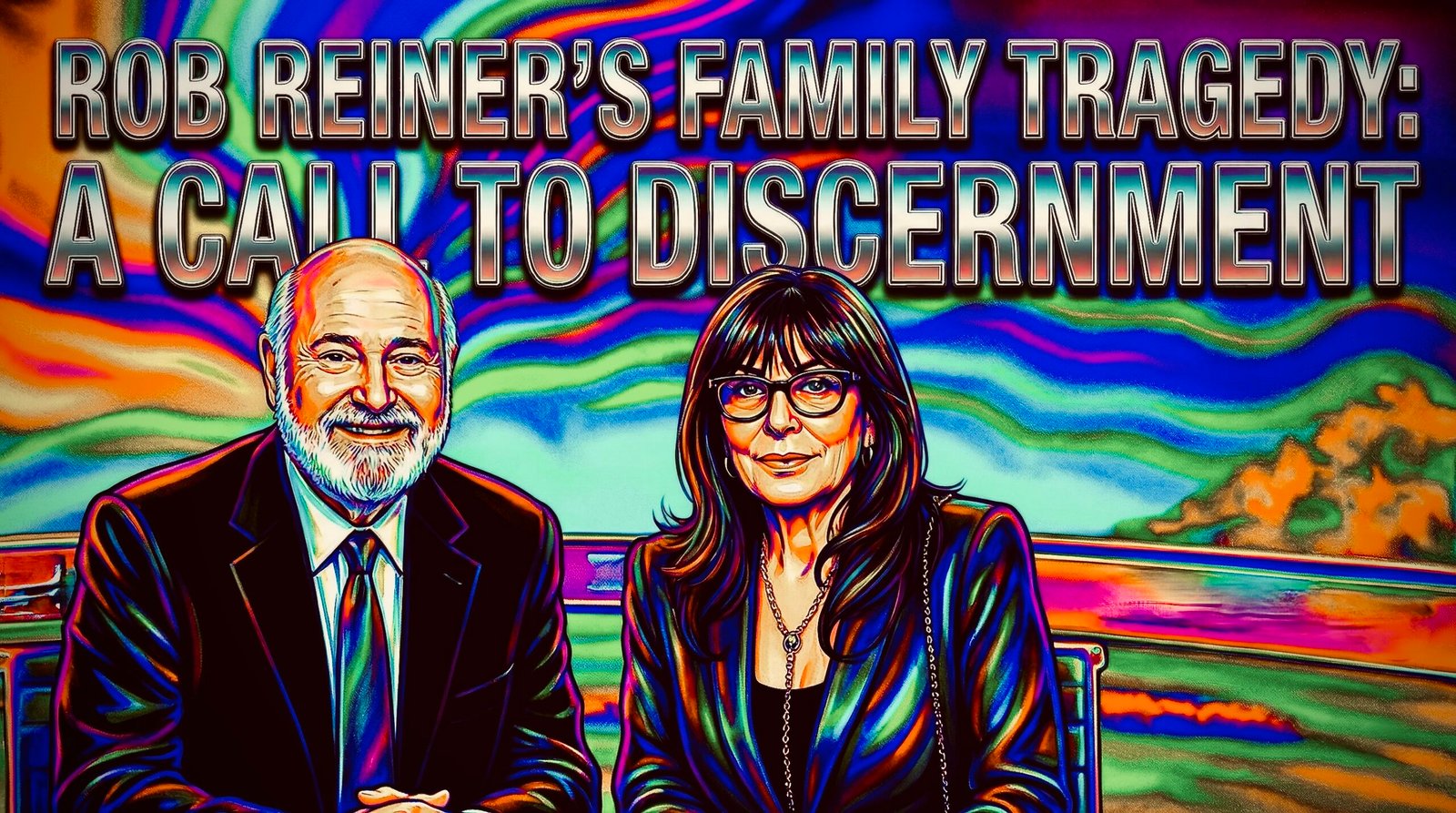
Rob Reiner’s Family Tragedy: A Call to Discernment
December 18, 2025 | by rodney
Share this content:
Finding Balance After a Family Tragedy
The world watched in stunned silence when filmmaker Rob Reiner and his wife, Michele Singer Reiner, were found dead in their Los Angeles home; the Los Angeles County Medical Examiner’s Office reported that both died of multiple sharp force injuries and listed the manner of death as homicide, and their son, Nick Reiner, has been charged with first‑degree murder in connection with their deaths. These are facts that anchor our grief; everything else must be held gently, without rush to judgment, as the legal process and investigations continue
Reflection on Loss and Discernment
As the Minister of Balance, I speak first to the heart: grief is a heavy, communal thing that asks for both tenderness and truth. Tragedies like this fracture the ordinary sense of safety and call us to practice discernment, not to assign blame in haste, but to see clearly the human needs that went unmet. Discernment asks us to hold sorrow and inquiry together, to mourn the lives lost while also asking how families, communities, and systems might better protect those who are vulnerable.
Where Balance Meets Mental Health
When violence intersects with a person who has struggled with mental health, the conversation must be careful and compassionate. Mental illness is not a moral failing; it is a health condition that, when untreated or unsupported, can contribute to crises. Balance: practical, spiritual, and communal can sometimes reduce the likelihood that distress escalates into harm. This balance includes early intervention, consistent access to mental‑health care, crisis planning, and a community willing to notice and communicate when someone is unraveling.
Practical Steps That Might Help Prevent Tragedy
- Cultivate steady routines and sleep: Disrupted sleep and chaotic schedules worsen stress and can deepen psychiatric symptoms; steady rhythms can be stabilizing.
- Prioritize timely, sustained care: Regular, accessible mental‑health treatment—therapy, medication management, and case coordination can reduce crisis risk.
- Create crisis plans: Families benefit from agreed steps for de‑escalation, emergency contacts, and clear pathways to urgent care.
- Build community safety nets: Neighbors, faith communities, schools, and workplaces can be trained to recognize warning signs and to connect people to help.
- Reduce stigma and encourage honest conversation: When seeking help is met with compassion rather than shame, people are likelier to accept support.
- Legal and clinical collaboration: Where danger is present, coordinated responses between clinicians, law enforcement, and courts: rooted in care rather than punishment alone, can protect everyone involved.
These are not guarantees; no single measure can prevent every tragedy. But together they form a matrix of care that makes catastrophic outcomes less likely and gives families more options when someone is in crisis.
A Prayer for the Broken and a Call to Action
We cannot undo what has been done, and we must not rush past the sorrow. Let us hold the Reiner family and all affected in our prayers and in our actions. May our grief be transmuted into resolve: to listen more closely to fund and normalize mental‑health care, to teach discernment in our communities, and to build systems that balance compassion with safety. In the quiet work of prevention: through routine, care, and communal vigilance, we honor those lost and strive to spare others the same fate.
Lastly, a Prayer for all those suffering from mental health illness and those who are directly or indirectly impacted by the effects.
Prayer:
Heavenly Father, You promise to be near to the brokenhearted and to save those who are crushed in spirit. In the midst of this deep sorrow, we cling to Your presence. Wrap Your arms around this grieving families, bring peace that surpasses understanding, and remind them that You are their refuge and strength. May Your love carry them through the valley of loss, and may Your hope shine even in the darkest night. Amen.
If you or someone you know is struggling, reach out to trusted professionals and community support groups: Veterans Crisis Line (24/7, free, confidential): Dial 988, then press 1. If calling from overseas or needing alternatives: use +1 844‑702‑5493 (Pacific); +1 844‑702‑5495 (Europe); +1 855‑422‑7719 (CENTCOM); +1 888‑482‑6054 (AFRICOM); +1 866‑989‑9599 (SOUTHCOM). TTY users: use your relay service or dial 711 then 988.
RELATED POSTS
View all


A Surefire Match Made in Hell
March 6, 2024 | by rodney


The Poverty of Plenty: Accumulation Without Purpose
January 22, 2026 | by rodney