



Share this content:
How Systemic Bias Deepens Generational Inequality
For a century the word “Experience” has been wielded as more than a neutral hiring criterion — it has functioned as a gatekeeper that preserves power, wealth, and access for an entrenched establishment. In corporate offices, entertainment boards, and political machines that shape public life, “experience” often masks a system designed to reproduce privilege rather than measure merit. When those judged by that word are predominantly white, the result is predictable: networks deepen, opportunities compound, and economic inequality hardens into generational advantage.
How “Experience” Operates as a Systemic Trope
“Experience” is invoked in ways that appear objective but are frequently subjective and exclusionary. It is cited when a résumé is dismissed, when an interview ends with an offer of an unpaid internship instead of a paid role, and when informal networks “vouch” for a candidate whose background mirrors the hiring committee’s own. Those who are escorted into careers through college-to-corporate pipelines receive relocation bonuses, travel reimbursements, mentorship, and salaries that accelerate wealth accumulation. For those outside those pipelines — especially people of color — the word becomes a convenient explanation for rejection rather than an honest accounting of structural barriers.
Personal Witness: The Pipeline and the Pause
Inside corporations the mechanisms are plain to see. Entry-level openings that require “experience” effectively freeze out young people who lack access to unpaid internships or family capital. Temporary positions and unpaid roles become testing grounds for some and permanent pipelines for others. I watched white peers be hired quickly, rewarded for being familiar, while equally or more qualified people of color were told to “build experience” with no practical path to do so. The result: a workforce that looks diverse at entry points but whose leadership remains homogeneously advantaged.
A Century of Stalled Progress for People of Color
Despite visible representation in legislatures, corporate diversity hires, and cultural visibility, substantive shifts in wealth equity have severely lagged. When progress is measured, the gains for many people of color have come in human capital and visibility, while capital accumulation — business ownership, intergenerational wealth, access to top-earning roles; remains stubbornly unequal. Policies and rhetoric promising systemic redress have often been neutralized by institutional practices that treat “Experience” as a neutral filter. The end effect is economic stagnation for communities that have long carried a disproportionate burden of unpaid and underpaid labor.
The Question: Is There a Balance Due?
Based on all the contributions and wealth generated because of free and undercompensated labor by average everyday Americans, especially people of color, is there a Balance Due to the public at large? Yes. There is a moral and economic reckoning owed to communities whose labor, creativity, and risk have been foundational to industries and national prosperity while receiving little of the capital rewards that followed. Restitution is not only a moral imperative; it is an economic necessity if the nation intends to close persistent wealth gaps and rebuild trust in institutions that were meant to serve everyone, however as research solidifies is perpetually not.
A Divine Call in a Time of Uncertainty
God says, “don’t be led astray especially in these current moments of fear and uncertainty.” God says, the righteous will live forever and witness the wonders of heaven. And The Wicked shall perish. This is the divine message. That message calls for moral clarity: do not accept easy explanations that protect the powerful; demand justice and structural change that honors the work and dignity of every person. Economic justice is not a technical fix alone; it is a moral obligation consistent with the promise that goodness endures, and injustice will be confronted. ~Balance Due
RELATED POSTS
View all



Voters Share Insights on Equity and Anxiety:
February 12, 2025 | by rodney
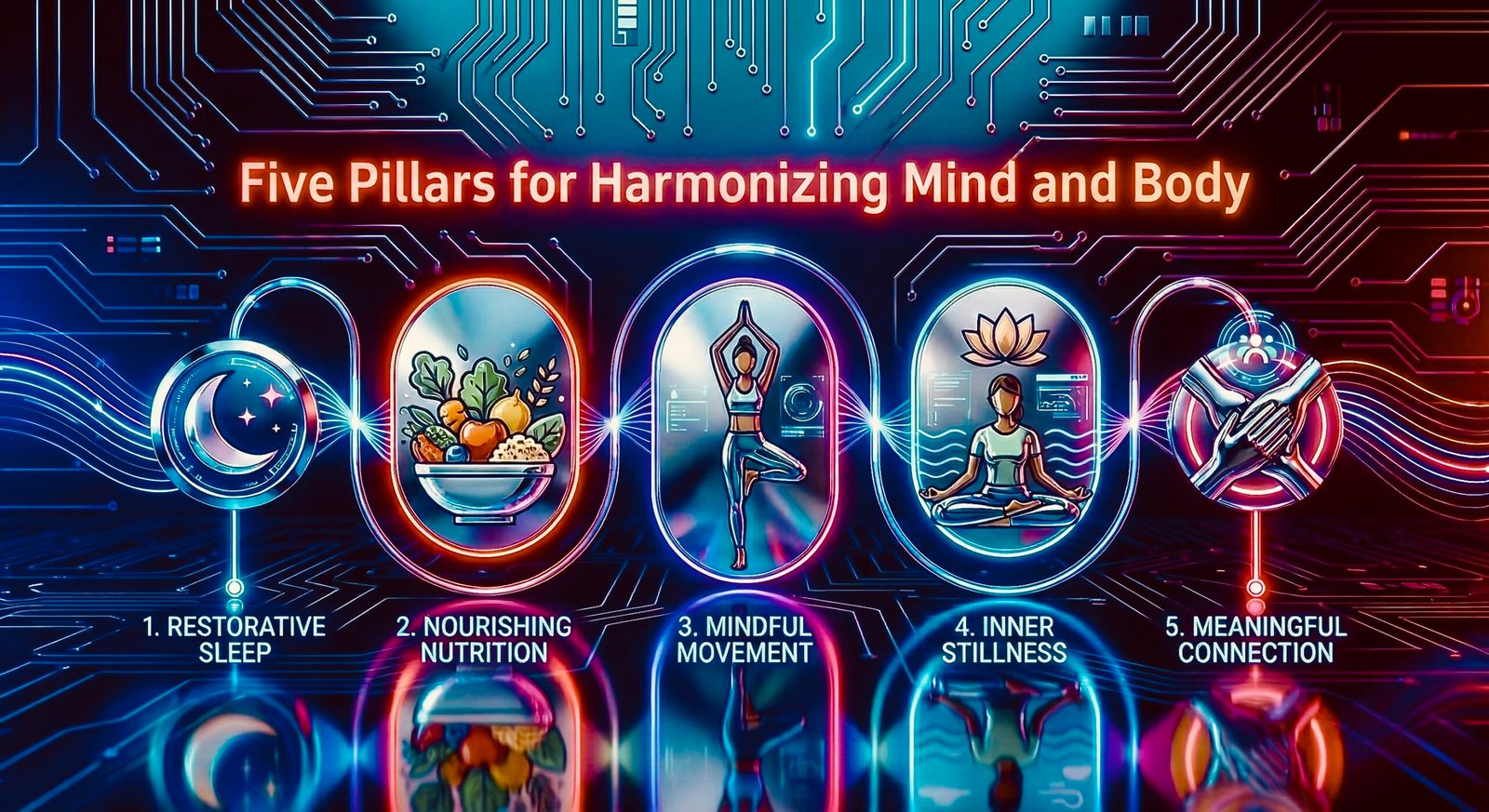
Five Pillars for Harmonizing Mind and Body
January 8, 2026 | by rodney