


The Poverty of Plenty: Accumulation Without Purpose
January 22, 2026 | by rodney
Share this content:
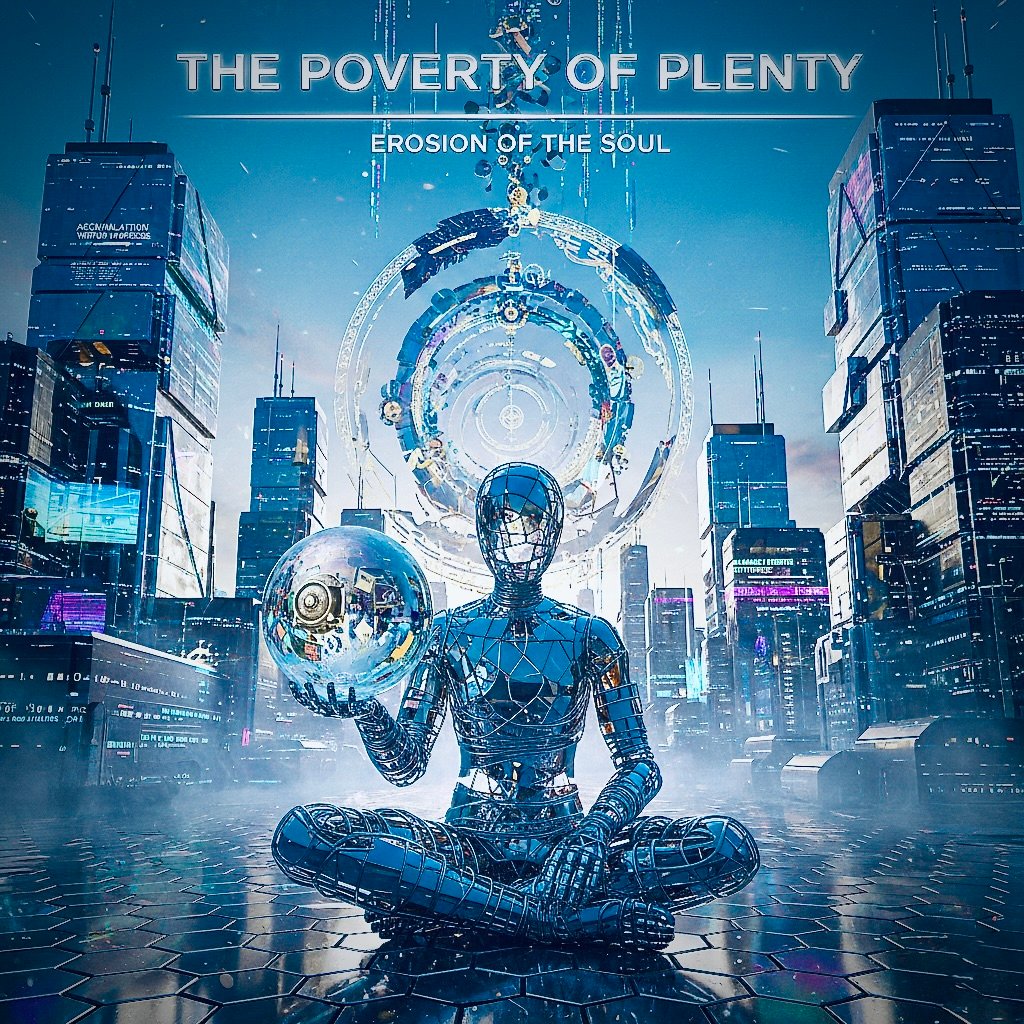
The Eroding of The Soul
In a world that equates net worth with self-worth, the drive to accumulate has become the default setting for modern life. We are told that “more” is the remedy for “not enough,” yet many find that as their bank accounts grow, their sense of peace often shrinks. This paradox, the poverty of plenty, suggests that when we focus solely on earthly storage, we risk losing the very things that make life worth living.
To understand how to navigate this tension, we must examine the spiritual, psychological, and moral costs of a life lived in pursuit of excess.
The Parable of the Rich Fool: Why Earthly Wealth Can’t Buy Eternal Security
The ancient Parable of the Rich Fool offers a timeless warning about the illusion of security. In the story, a man experiences a harvest so bountiful that his current barns cannot hold the grain. His solution is simple: tear down the old barns and build larger ones. He tells himself, “You have plenty of grain laid up for many years. Take life easy; eat, drink and be merry.”
But the story takes a sharp turn. That very night, his life is demanded of him. The lesson is not that wealth itself is evil, but that the man was “poor for eternity.” * The Illusion of Abundance: We often confuse having “much” with having “enough.” The rich fool focused on the duration of his goods rather than the destination of his soul.
- The Myth of Control: Hoarding is often a defense mechanism against the unpredictability of life. However, no amount of stored grain can negotiate with mortality.
- Unprepared for the Next Life: By focusing exclusively on what could be stored in a barn, the fool failed to invest in what could be carried beyond the grave: character, faith, and love.
The Hidden Psychological Toll of Excess: Anxiety, Isolation, and Disconnect
Beyond the spiritual implications, the pursuit of excess carries significant psychological and character risks. When the acquisition of things becomes the primary driver of behavior, the mind often pays a heavy price.
- The Anxiety of Maintenance: The more we own, the more we have to protect, insure, and worry about. This “clutter of the soul” creates a persistent state of low-level anxiety, as the fear of losing what we’ve gathered outweighs the joy of possessing it.
- The Wall of Isolation: Wealth often allows us to buy our way out of the “inconvenience” of community. We replace neighborly interdependence with paid services, leading to a profound sense of isolation. When we no longer need others, we often stop knowing others.
- The Value Disconnect: Constant accumulation creates a “hedonic treadmill.” We become disconnected from deeper values like purpose and presence because we are perpetually looking toward the next acquisition to provide a dopamine hit that never lasts.
The Erosion of Virtue: How Hoarding Diminishes Generosity and Empathy
As resources grow, a subtle but dangerous shift often occurs in the human heart: the erosion of virtue. Foundational character traits that allow us to flourish in a society—generosity, humility, and empathy, can be slowly dissolved by the temptation to hoard.
- From Empathy to Entitlement: When we surround ourselves with excess, it becomes harder to relate to the struggles of those with less. This “empathy gap” makes it easy to view the less fortunate as responsible for their own plight, rather than as fellow travelers in need.
- The Decay of Generosity: Generosity requires a spirit of “open-handedness.” Hoarding, by definition, requires a “clenched fist.” Over time, the habit of keeping stunts the capacity for giving, leaving the individual wealthy in assets but bankrupt in spirit.
- The Loss of Humility: Success can breed the dangerous delusion of self-sufficiency. We begin to believe we are the sole architects of our fortune, forgetting the grace, luck, and community support that made our “bigger barns” possible.
A Conclusive Note from the Minister of Balance
Look at your hands. If they are always clenched to hold what you have, they are never open to receive what you truly need.
Wealth is neither a crown to be worn nor a burden to be feared; it is a tool to be used. The path to a meaningful life does not lie in the rejection of all things, nor in the gluttonous pursuit of them. It lies in the steady middle.
To be truly ‘rich’ is to have enough to be comfortable, enough to be generous, and enough wisdom to know the difference. Do not build bigger barns; build longer tables. Do not store up treasures that moths can eat and time can wither. Instead, invest in the currency of the soul: kindness, connection, and a heart that is at peace with its own mortality. Balance your ledgers, yes, but ensure your spirit is the largest asset on the page.”
RELATED POSTS
View all