

Balance, Vision, and Movement: The Shifts of Aging
December 15, 2025 | by rodney
Share this content:
One of the most profound yet often overlooked changes we experience as we age is the gradual shift in our ability to maintain balance. This is not merely a physical concern, it is a matter that touches our independence, our confidence, and our spirit.
With each passing year, our bodies undergo natural changes. Muscle strength wanes, making it harder to steady ourselves during everyday movements. Our vision, too, transforms depth perception, contrast sensitivity, and peripheral awareness may diminish, making it more challenging to spot obstacles or uneven ground.
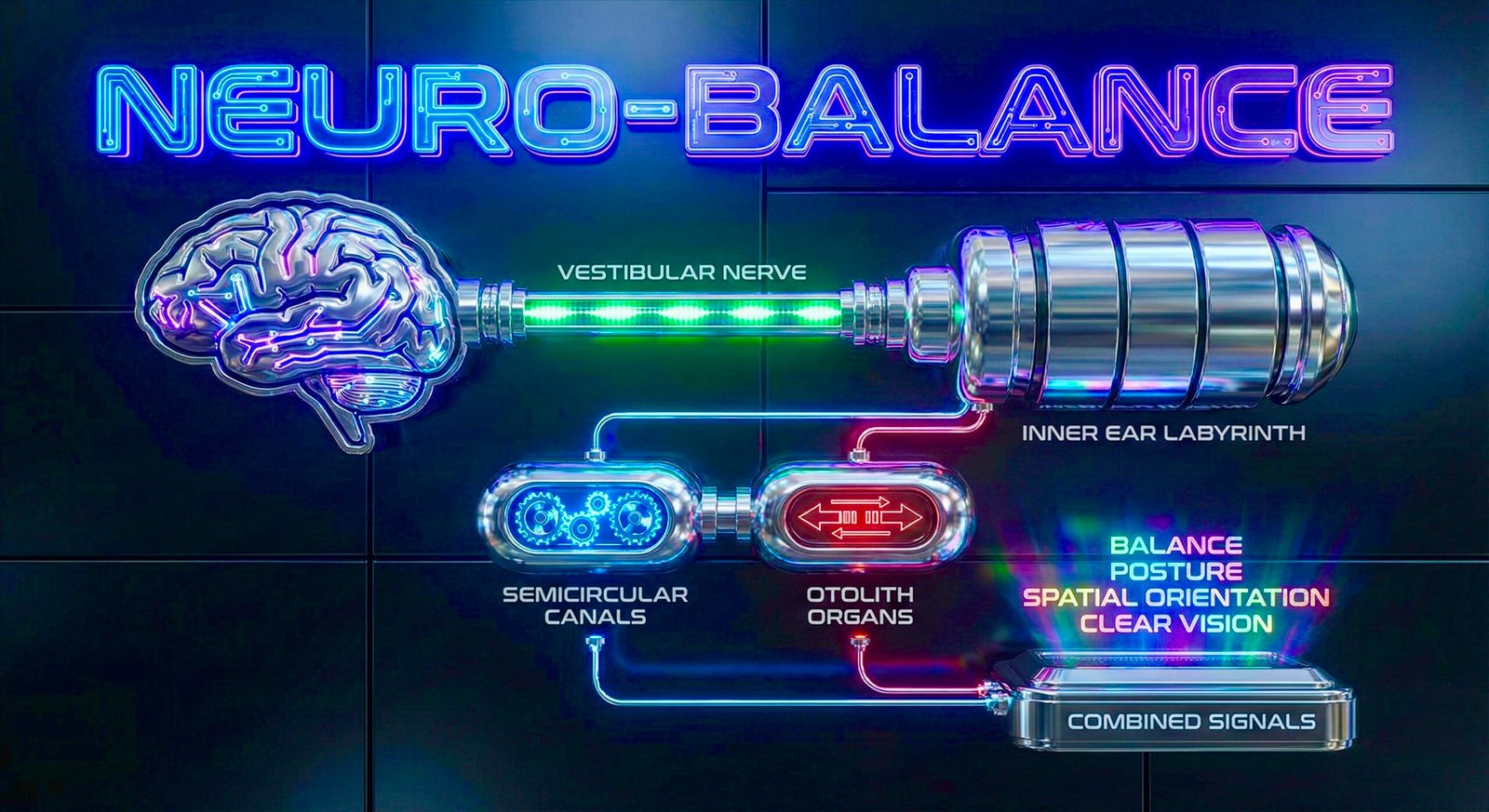
The vestibular system: our internal compass for movement and orientation, is located in the inner ear and it helps us maintain stability, spatial orientation, and clear vision during movement becomes less responsive, further tipping the scales against our stability.
The Real Risks: Falls and Their Far-Reaching Impact
These intertwined changes significantly raise the risk of falling, a reality that affects millions of older adults worldwide. Research reveals that approximately 40% of adults over 65 will experience at least one fall each year. The consequences can range from minor bruises to serious fractures, but the impact goes beyond the physical. Falls can erode emotional well-being, fostering fear, reducing independence, and leading to social isolation.
Prevention Begins with Awareness and Action
Recognizing these risks is the first step toward prevention. As your Minister of Balance, I urge you to embrace regular exercise focused on strength and balance. Simple movements: squats, heel raises, single-leg stances, and weight-shifting drills, can help maintain muscle strength, improve stability, and reduce the risk of falls. These exercises are not just routines; they are investments in your continued independence and quality of life.
Creating a Safer Path: Vision and Environment
Beyond exercise, routine vision check-ups and safer home environments are essential. Clear pathways, adequate lighting, and thoughtful arrangement of furniture can all help reduce the likelihood of falls. By proactively addressing these challenges, older adults can maintain mobility, confidence, and a vibrant quality of life well into their later years.
Why Balance Exercises Are Essential
Reduce Fall Risk
Regular practice of balance exercises lowers the chance of falls, which affect about 40% of older adults annually.
Maintain Independence
Stronger muscles and better balance make daily activities safer and easier, preserving autonomy.
Boost Confidence
Feeling steady on your feet reduces fear of falling and encourages you to remain active and engaged with life.
Practical Tips for Safe Practice
- Hold onto a sturdy chair or countertop when starting balance exercises.
- Perform movements slowly and with control.
- Aim for 10–15 repetitions per exercise, adjusting based on comfort.
- Remember: consistency matters more than intensity—practice several times per week.
A Spiritual Perspective: Balance as a Path to Wholeness
In closing, let us remember that balance is not merely a physical state, it is a spiritual journey. Each step we take toward steadiness is a step toward harmony within ourselves and with the world around us. As we nurture our bodies, we also nurture our spirits, cultivating resilience, gratitude, and a sense of purpose. May you walk your path with confidence, supported by the strength within and the love that surrounds you. ~Balance Due
RELATED POSTS
View all